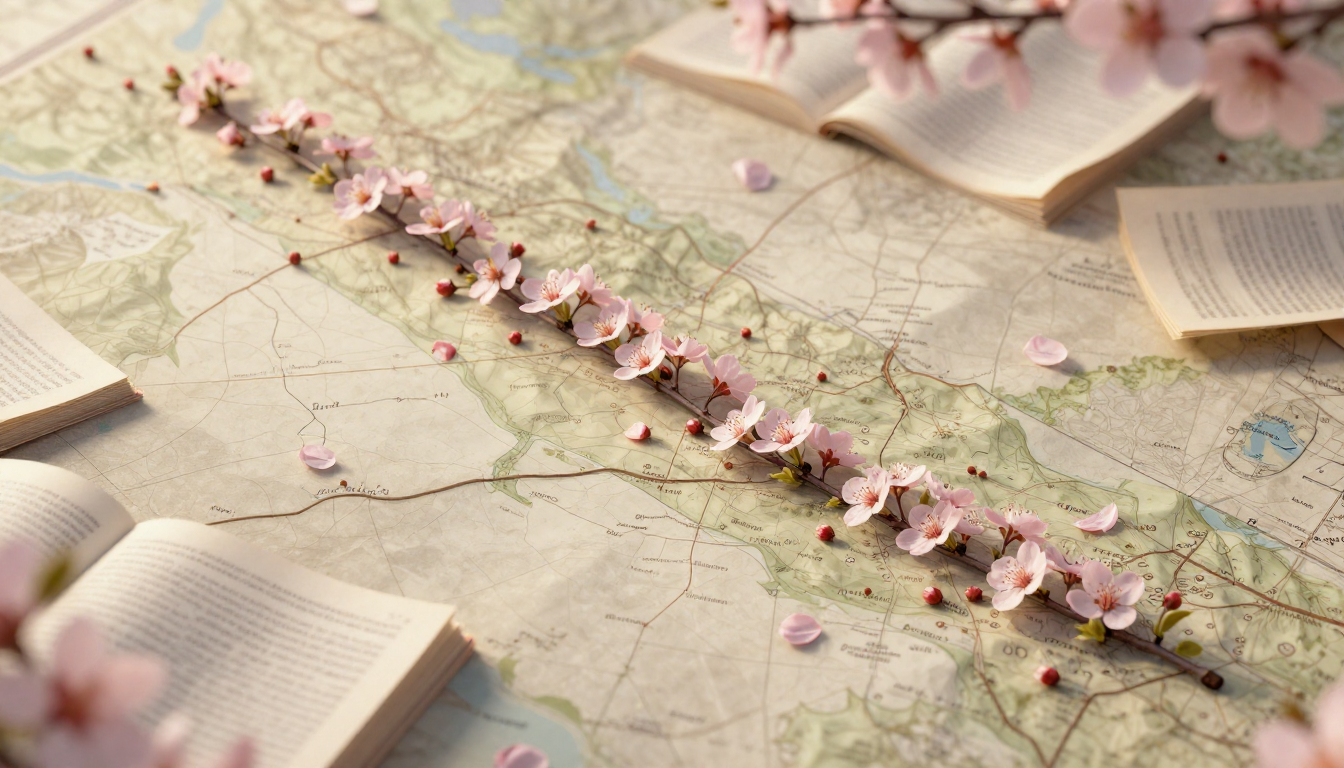
The Map That Leads to You: A Journey of Self-Discovery and Personal Growth
In a world overflowing with destinations, distractions, and digital directions, the most important journey is often the one that leads inward. “The map that leads to you” is more than a poetic phrase—it is a metaphor for self-discovery, emotional growth, and the winding paths we travel in search of identity, love, and purpose. Whether inspired by personal reflection or by stories like The Map That Leads to You by J. P. Monninger, the idea of a map guiding us toward ourselves resonates deeply in modern life.
We rely on maps to navigate cities, countries, and continents. Yet when it comes to understanding who we are, what we want, and where we belong, the route is rarely straightforward. The map that leads to you is not printed on paper or displayed on a screen. It is written in experiences, relationships, risks, heartbreaks, and dreams.
Understanding the Meaning Behind “The Map That Leads to You”
At its core, the map that leads to you represents the personal journey of becoming. It symbolizes the twists and turns that shape our identity. No two maps are identical because no two people share the same life experiences.
This concept reminds us that self-discovery is not a single destination but an ongoing process. Just as physical maps evolve with new roads and landmarks, our inner maps change as we grow. What mattered to you five years ago may not define you today. The map adapts, reroutes, and occasionally forces detours.
Importantly, this journey is rarely linear. There are moments of clarity and moments of confusion. Sometimes we feel lost, unsure whether we are moving forward or in circles. Yet even those uncertain phases serve a purpose. They teach resilience, patience, and perspective.
The Role of Travel in Self-Discovery
Travel is often portrayed as a literal and symbolic pathway to self-awareness. When we leave familiar surroundings, we step outside our comfort zones. We encounter new cultures, ideas, and ways of thinking. These experiences challenge our assumptions and expand our worldview.
Being in an unfamiliar place forces introspection. Without the usual routines and social roles, we begin to see ourselves differently. We notice what excites us, what scares us, and what truly matters.
Travel strips away distractions and reveals core values. It becomes a mirror reflecting hidden strengths and unresolved fears. In that sense, every journey—whether across continents or across town—can contribute to the map that leads to you.
Love as a Compass
Love often acts as a powerful compass on this internal map. Relationships illuminate parts of ourselves we may not recognize alone. Through connection, vulnerability, and even heartbreak, we learn who we are and who we are not.
Romantic love, in particular, can accelerate self-discovery. It pushes us to confront insecurities, communicate honestly, and decide what we truly need from a partner. Sometimes love redirects our path entirely. A single person can inspire us to take risks, move cities, or pursue dreams we once considered impossible.
Yet love is not only about finding someone else. It is about finding yourself in the process. Healthy love does not erase identity; it refines it. It helps clarify boundaries, desires, and priorities.
Embracing Detours and Unexpected Turns
No meaningful map is free of detours. Life inevitably presents obstacles—career setbacks, failed relationships, personal losses. In those moments, it may feel as though the map has been torn apart.
However, detours often reveal hidden destinations. A rejected opportunity might lead to a more fulfilling path. A painful ending might create space for personal growth. What seems like a mistake can become a defining lesson.
The map that leads to you is not about avoiding hardship. It is about integrating those experiences into your understanding of yourself. Each setback adds depth and complexity to your story.
Instead of resisting change, embracing it allows the map to unfold naturally. Flexibility becomes essential. When we release the need for rigid plans, we open ourselves to unexpected possibilities.
The Importance of Reflection
A map is only useful if we take time to study it. Reflection is the process of pausing to examine where we have been and where we want to go.
Journaling, meditation, therapy, and honest conversations can all serve as tools for reflection. These practices help identify patterns in behavior, recurring fears, and unfulfilled desires. They clarify motivations and reveal growth.
Without reflection, experiences may pass without meaning. With reflection, even small moments become significant landmarks on the journey.
Reflection also fosters gratitude. Looking back at previous versions of yourself highlights progress. It reminds you of challenges overcome and strengths developed along the way.
Identity in a Digital World
In today’s hyperconnected society, identity is often shaped by social media and external validation. We curate versions of ourselves for public consumption. Likes, comments, and followers can influence how we perceive our worth.
This digital noise can distort the map that leads to you. Instead of following inner desires, we may chase approval. Comparison becomes a constant distraction.
Reclaiming authenticity requires intentional effort. It means distinguishing between who you truly are and who you feel pressured to be. It involves setting boundaries around technology and prioritizing real-world connections.
The journey inward demands honesty. It asks difficult questions: What do I want if no one is watching? What brings me fulfillment beyond recognition? The answers guide the map toward genuine self-understanding.
Courage and Vulnerability
Following the map that leads to you requires courage. Self-discovery is not always comfortable. It may uncover insecurities, regrets, or unhealed wounds.
Vulnerability is the willingness to face these truths without judgment. It is admitting uncertainty and embracing imperfection. Courage and vulnerability work together to create growth.
Choosing authenticity over comfort can feel risky. It might involve changing careers, ending relationships, or redefining long-held beliefs. Yet each courageous decision aligns you more closely with your true self.
Over time, these choices build confidence. You begin to trust your instincts. The map feels less mysterious because you have learned to read its signals.
Creating Your Own Map
While inspiration can come from books, stories, and mentors, no one else can draw your map entirely. You must actively participate in its creation.
Start by identifying core values. What principles guide your decisions? Integrity, creativity, compassion, adventure? These values form the foundation of your map.
Next, clarify your passions. What activities energize you? What topics spark curiosity? Passion indicates direction.
Then consider your fears. Often, what scares you most points toward growth. Facing fear can reveal hidden potential.
Finally, set intentions rather than rigid goals. Intentions focus on how you want to feel and who you want to become, rather than solely on external achievements.
Your map will not be perfect. It will evolve with each experience. But by consciously engaging with it, you ensure that your journey remains authentic.
The Intersection of Fate and Choice
Some believe life follows a predetermined path, while others argue that free will shapes destiny. The map that leads to you exists somewhere between these ideas.
Certain circumstances—where you are born, early opportunities, unexpected encounters—may be beyond control. Yet how you respond to them is a choice. Attitude, effort, and perspective influence outcomes.
Recognizing this balance empowers you. You cannot control every roadblock, but you can choose your direction. Each decision becomes a marker on the map.
Understanding this interplay reduces regret. Even mistakes contribute to growth. They are not wasted steps but essential parts of the journey.
Conclusion
The map that leads to you is not found in an atlas or downloaded from an app. It is constructed through lived experience, reflection, love, resilience, and courage. It is shaped by both deliberate choices and unforeseen events.
This map is deeply personal. It includes joyful milestones and painful detours. It evolves as you grow, adapting to new dreams and shifting priorities. Most importantly, it reminds you that the journey toward self-understanding is ongoing.
Rather than rushing to reach a final destination, embrace the process. Trust that each step—no matter how uncertain—brings you closer to clarity. In learning to read your inner compass, you discover that the path you have been searching for has always been unfolding within you.
FAQs
What does “the map that leads to you” mean?
It is a metaphor for the journey of self-discovery. It represents the experiences, choices, and relationships that shape your identity and guide you toward understanding who you truly are.
Is self-discovery a one-time event?
No, self-discovery is an ongoing process. As life circumstances change, your goals, values, and perspectives may evolve, reshaping your internal map.
How can travel help in finding yourself?
Travel exposes you to new environments and challenges, encouraging introspection. Being outside your comfort zone often clarifies your strengths, desires, and priorities.
Why are detours important in personal growth?
Detours teach resilience and adaptability. Unexpected challenges often lead to valuable lessons and opportunities that contribute significantly to personal development.
How do I start creating my own map?
Begin with reflection. Identify your values, passions, and fears. Set intentions aligned with authenticity, and remain open to growth and change as you move forward.